How to Care for Custom Belts: Cleaning, Storage, and Logo Care by Material
Custom belts last for years when the care matches the material: leather needs gentle cleaning, conditioning and slow drying, nylon and woven fabric belts need a mild hand wash and air drying, and branded buckles need only a soft cloth. This guide from Get Custom Belts explains how to clean, protect and store every belt style so logos and straps stay sharp.
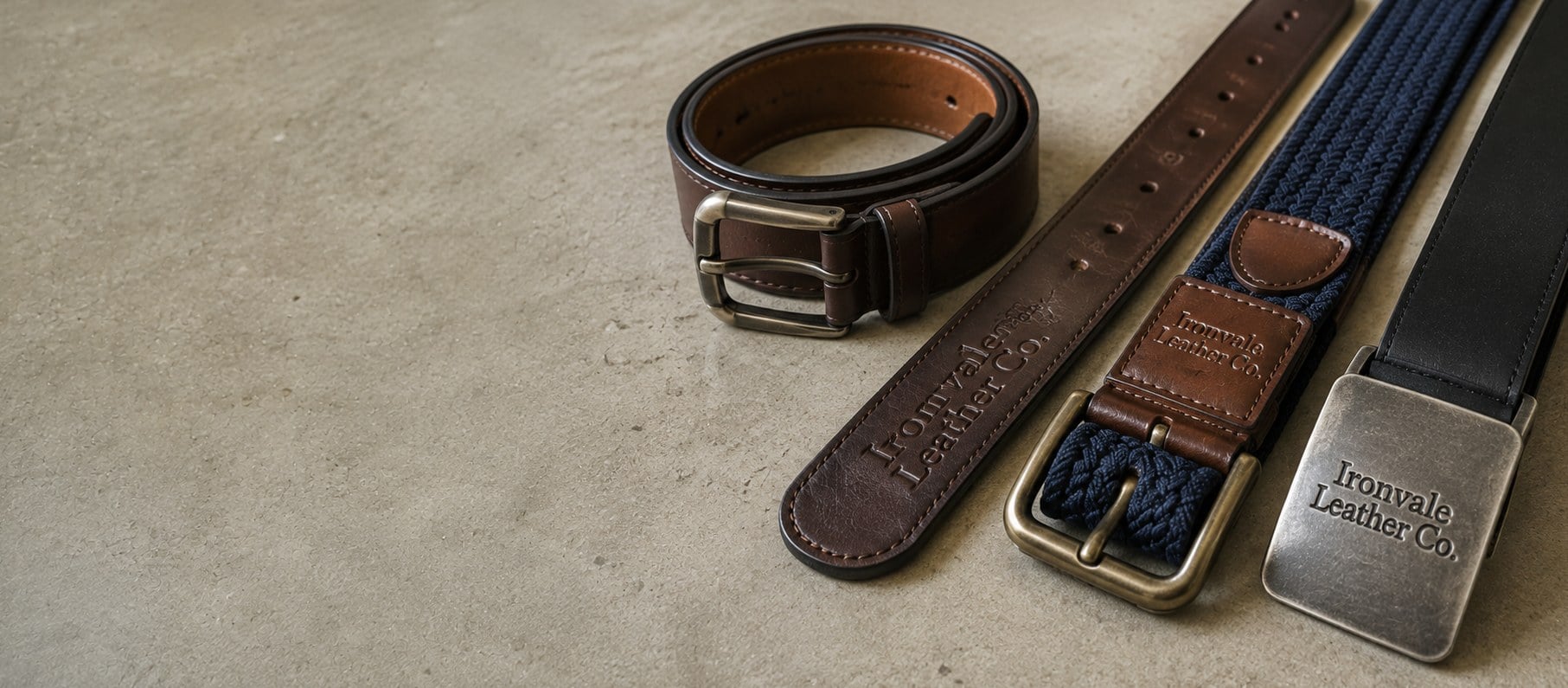
- Leather belts: damp cloth, leather cleaner, light conditioner, slow air drying
- Nylon and woven belts: cool hand wash, mild detergent, no bleach, no dryer
- Plated buckles: microfiber cloth only, no metal polish
- Store belts hanging or loosely rolled in a cool, dry, ventilated place
- Free mockup within 24 hours; standard production about 2 weeks
How do you care for custom belts so they last?
Custom belts last longest when you match the care routine to the strap material: leather needs gentle cleaning, conditioning and time to dry, nylon and woven fabric belts need a mild wash and air drying, and metal buckles need a soft cloth rather than abrasives. Most damage to belts comes from moisture, heat and constant flexing at the same hole, not from age.
That matters more for branded belts than for an ordinary belt from a department store. A custom belt carries your logo, your colors or a person’s name, so a cracked strap or a tarnished buckle reflects on the organization behind it. A few minutes of care a month keeps a uniform program looking consistent and keeps gift belts looking like gifts.
The good news is that none of the routines below require special equipment. A soft cloth, a mild soap, a leather conditioner and a dry place to hang belts cover almost everything. The sections that follow break the routine down by material and by decoration, so you can hand the right instructions to the people who actually wear the belts.
How should a leather custom belt be cleaned and conditioned?
A leather custom belt should be wiped with a soft, slightly damp cloth, allowed to dry naturally, and then treated with a thin layer of leather conditioner whenever the surface starts to look dry or dull. Avoid soaking the strap, avoid household cleaners, and never speed up drying with a hair dryer or radiator, which pulls oil out of the hide.
- Remove the buckle if it is detachable so you can reach the whole strap and keep conditioner off the metal.
- Wipe away dust and surface dirt with a soft cloth. For grime, use a small amount of saddle soap or a leather cleaner on a damp cloth, then wipe again with a clean one.
- Let the strap air dry flat at room temperature, away from direct sun and heat.
- Condition lightly, working a small amount into the leather with circular strokes, including the edges and the back.
- Buff off the excess after the conditioner has had time to absorb.
Test any new cleaner or conditioner on the inside of the strap first, because some products darken lighter leathers. Full-grain leather usually takes conditioner evenly and develops a richer color over time; coated or corrected-grain leathers absorb less, so use even less product. Our guide to leather dress belts covers the styles where this routine matters most.
How do you wash nylon, webbing and woven fabric belts?
Nylon, webbing and woven fabric belts are the easiest custom belts to keep clean: hand wash them in cool water with a mild detergent, rinse well, and hang them to air dry. Take the buckle off first if it is removable, and skip the dryer, which can shrink some fibers and fade woven or printed logos faster.
For light dirt, a soft brush and soapy water applied only to the stained area is often enough. For belts that come back from a full shift outdoors, a short soak in cool, soapy water loosens mud and sweat before you rinse. Avoid bleach on any colored strap; it can shift your brand colors and weaken the fibers.
- Tactical nylon belts: brush out grit from the weave and around the buckle mechanism after outdoor work, then rinse and dry. See tactical nylon belts for the styles built for field crews.
- Woven fabric belts: wash gently and dry flat so the pattern stays straight. Our woven fabric belts page shows the jacquard-style logo straps.
- Printed webbing: wash inside a mesh laundry bag if you use a machine at all, on a cold, gentle cycle.
Whatever the fabric, make sure the belt is completely dry before it goes back into a drawer or locker, because damp webbing trapped in a closed space is where odors and mildew start.
Which custom belt materials need the most care?
Leather custom belts need the most ongoing care, nylon and woven belts need the least, and reversible and buckle-focused belts sit in between because of their hardware. The table below summarizes the routine for each style Get Custom Belts makes, so you can choose a belt that suits how much attention it will realistically get.
| Belt style | Cleaning | Main risk | Care effort |
|---|---|---|---|
| Leather dress belts | Damp cloth, leather cleaner, conditioner | Drying out, cracking, water spots | Moderate |
| Embossed logo belts | Same as leather, light conditioner over the logo | Logo edges softening if over-conditioned | Moderate |
| Laser engraved belts | Soft cloth on the mark, no abrasives | Residue filling engraved lines | Low to moderate |
| Reversible belts | Leather routine on both faces, wipe the swivel | Wear at the pivot | Moderate |
| Tactical nylon belts | Hand wash, air dry | Grit in the buckle | Low |
| Woven fabric belts | Gentle hand wash, dry flat | Fading from heat or bleach | Low |
If a group of wearers will not follow any care routine, such as event volunteers or a seasonal crew, a nylon or woven belt is the more forgiving choice. If the belts are executive gifts or front-of-house uniform pieces, leather is worth the extra attention. The leather vs nylon comparison goes deeper on that decision.
How do you keep a logo on a custom belt looking sharp?
A logo on a custom belt stays sharp when you clean around it gently and avoid the things that attack each decoration method: heavy conditioner on embossed leather, abrasive polish on engraved or plated buckles, and hot water or bleach on woven and printed straps. Each method wears differently, so the care should follow the decoration, not just the strap.
Embossed and debossed leather logos
Pressed logos are part of the leather itself, so they do not peel. What softens them is over-wetting and heavy rubbing. Apply conditioner thinly over the logo area and buff with light pressure. The embossed logo belts page shows how the impression sits in the strap.
Laser engraved marks
Engraving removes or darkens material, so the mark is permanent, but wax, polish and dirt can collect in fine lines and blur detail. Wipe with a dry soft cloth and use a soft brush on detailed crests. Our laser engraved custom belts page covers which surfaces take engraving.
Branded buckles
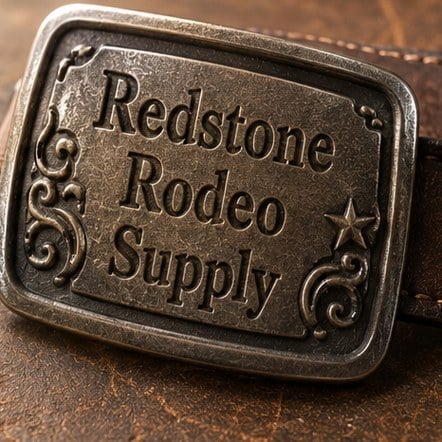
Plated and finished custom buckle belts should be wiped with a dry microfiber cloth. Skip metal polish unless you know the finish is solid metal, because polish can cut through plating and leave a patchy look around your logo.
How should custom belts be stored between uses?
Custom belts should be stored either hanging full length from the buckle or loosely rolled, in a cool, dry, ventilated place out of direct sunlight. Tight coils, heavy stacks and plastic bags are the most common storage mistakes, because they crease leather, trap moisture and leave buckle marks pressed into neighboring belts.
- Hang leather belts on a belt hanger or hook by the buckle so the strap relaxes back into shape.
- Roll fabric and nylon belts loosely if hanging space is limited, with the buckle on the outside.
- Use breathable bags or boxes, such as cotton dust bags or the original packaging, instead of sealed plastic.
- Keep belts away from heat sources like vehicle dashboards, radiators and sunny windowsills.
- Separate buckles from straps in long-term storage, or wrap each buckle in a cloth, so metal edges do not scuff other belts.
For a company holding a uniform reserve, label boxes by size and style so the right belt can be pulled quickly without unpacking and repacking the whole stock. Rotate older stock out first so nothing sits untouched for seasons on end.
What everyday habits shorten the life of a belt?
The habits that shorten the life of a belt are wearing the same strap every single day, always fastening at the same hole, sitting on heavy objects clipped to the belt, and putting a wet belt away without drying it. All of them concentrate stress or moisture in one spot, which is where cracks, stretching and fraying start.
Rotating between at least a pair of belts gives leather time to recover its shape and lets sweat evaporate fully. For uniform programs, that is a practical reason to issue more than one belt per person to staff who wear them every shift. For field crews who carry radios, tools or holsters, a tactical nylon belt is designed for that load and will hold up better than a leather dress belt.
Other quick wins include taking the belt off before it gets bent sharply in a car seat, keeping it away from solvents and fuel in workshops, and drying a rain-soaked belt slowly at room temperature. None of these steps take longer than a minute, and together they add years of wear to a well-made strap.
Should you give wearers care instructions with custom belts?
Yes, a short care card or a few lines in a welcome email makes a noticeable difference for uniform and gift belts, because most people have never been told how to look after a leather or woven belt. Get Custom Belts can talk through the styles in your order so your care notes match exactly what each person receives.
A useful care note covers four things: how to clean the strap, how to dry it, how to store it, and what to avoid. Keep it specific to the material. A leather dress belt note should mention conditioner and keeping it away from heat; a nylon belt note can simply say hand wash, air dry, no bleach.
If you are still choosing a style, you can request a free mockup within 24 hours through the custom quote form, with unlimited free revisions and nothing to pay until you approve the design. Standard production takes about 2 weeks, with faster turnaround available through express shipping. The how it works page walks through each step, so you can plan care notes alongside the order itself.
Frequently asked questions
How often should a leather custom belt be conditioned?
A leather custom belt should be conditioned whenever the surface looks dry, dull or starts to feel stiff, rather than on a fixed calendar. Belts worn daily in warm or dry conditions need it more often than belts worn occasionally. Apply a thin layer, let it absorb, and buff off the excess so the strap does not feel greasy or attract dust.
Can a nylon custom belt go in the washing machine?
A nylon custom belt can usually survive a cold, gentle machine cycle inside a mesh laundry bag, but hand washing is kinder to the buckle and to any printed logo. Remove a detachable buckle first, use mild detergent, skip bleach and fabric softener, and always hang the belt to air dry instead of using a tumble dryer.
What should I do if my leather belt gets soaked in the rain?
A soaked leather belt should be blotted with a dry towel, then left to dry slowly at room temperature, hanging or lying flat. Never put the belt near a heater or use a hair dryer, because fast drying makes leather stiff and prone to cracking. Once fully dry, apply a light coat of conditioner to restore the oils the water carried away.
Why does a leather belt crack near the holes?
A leather belt cracks near the holes because that spot bends the same way every day and dries out faster than the rest of the strap. Rotating between belts, conditioning the area around the holes, and avoiding over-tightening all reduce the strain. Get Custom Belts can suggest strap styles suited to daily wear when you request a quote.
How do I clean a branded metal buckle without damaging the finish?
A branded metal buckle is best cleaned with a dry or slightly damp microfiber cloth, followed by a dry wipe. Avoid metal polish, scouring pads and harsh chemicals unless you are sure the buckle is solid metal, since many buckle finishes are plated and polish can wear through them, dulling the area around your logo or engraved artwork.
Can a woven fabric belt be dried in a clothes dryer?
A woven fabric belt should not go in a clothes dryer, because high heat can shrink fibers, distort the pattern and fade a woven logo. Lay the belt flat or hang it in a ventilated spot after washing. Get Custom Belts recommends air drying for every woven and webbing strap to keep brand colors looking like the approved mockup.
How can I remove salt stains from a leather belt?
Salt stains on a leather belt usually lift with a cloth dampened in a mix of water and a small amount of white vinegar, dabbed gently over the white marks. Wipe again with a clean damp cloth, let the strap dry naturally, then condition it. Test the mixture on the inside of the strap first, especially on lighter leathers.
Is it better to hang or roll belts for storage?
Hanging belts by the buckle is best for leather straps, because the weight lets the leather relax back into shape and avoids creases. Rolling loosely works well for nylon, webbing and woven belts when space is tight. Either way, keep belts in a cool, dry, ventilated place, away from sunlight, and never in sealed plastic bags.
Does a reversible belt need special care at the swivel buckle?
A reversible belt needs a little extra attention at the swivel buckle, because the pivot sees friction every time the strap is flipped. Wipe dust and lint out of the mechanism with a dry cloth, keep conditioner away from the hinge, and turn the buckle gently rather than forcing it. Both leather faces should get the same cleaning routine.
What household products should never be used on custom belts?
Custom belts should never be cleaned with bleach, ammonia-based glass cleaners, alcohol wipes, acetone or furniture polish. These products strip oils from leather, fade dyed and woven colors, and can damage buckle plating. Stick to mild soap, water, a dedicated leather cleaner and conditioner, and a soft cloth, testing anything new on a hidden spot first.
How can an employer help staff keep uniform belts in good condition?
An employer can help staff keep uniform belts in good condition by issuing a short care card, supplying a second belt for people who wear one every shift, and choosing materials that match the work. Get Custom Belts can recommend leather for front-of-house roles and nylon for outdoor or tool-carrying crews, which reduces wear before it starts.
How do I get odors out of a nylon or webbing belt?
Odors in a nylon or webbing belt usually come from sweat trapped in the weave. Soak the belt briefly in cool water with mild detergent, rinse thoroughly, and dry it completely in a well-ventilated spot or outdoors in shade. Storing the belt only when fully dry, and rotating between belts, stops the smell from coming back.
Get a free mockup for your belts
Send your logo or idea and the quantity you have in mind. Get Custom Belts returns a free mockup within 24 hours, you approve the design before anything is produced, and standard turnaround is about two weeks with faster options available. Get a custom quote.
Win Free Stuff
Enter below for a chance to win plus receive 10% off your first order.
🎉 You are in!
We will text you your 10% off code. Good luck!